14/06/2026, 3:00 pm,
Coversation in the exhibition Zauri Matikashvili. You may not want to be here with Zauri Matikashvili and Merle Radtke
, Kunsthalle MünsterZauri Matikashvili. You may not want to be here
, Kunsthalle Münster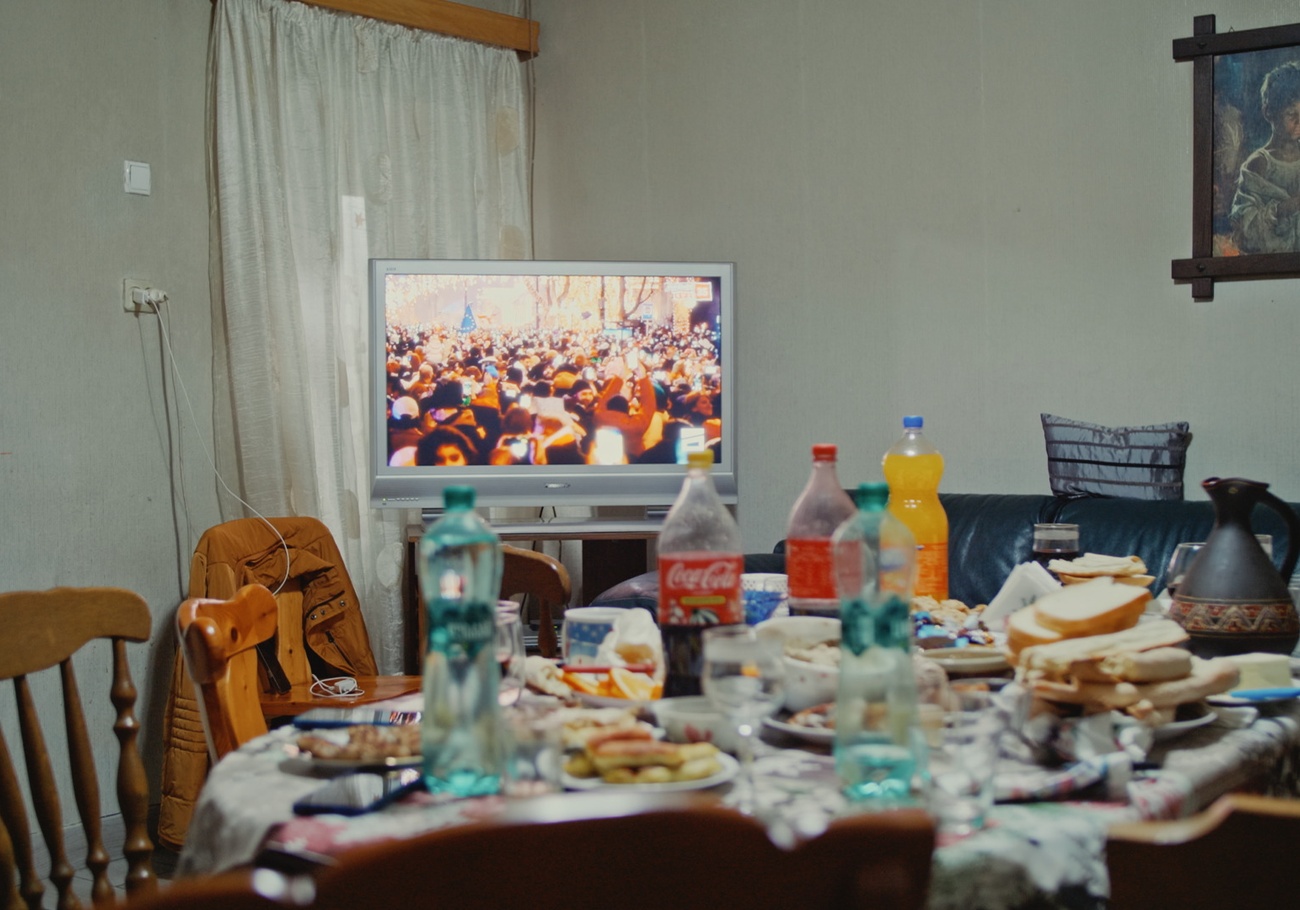
, მზე შინა და მზე გარეთა / The sun inside and the sun outside (still) , HD video, Sound, 15:00 min
CreditWith You may not want to be here, the Kunsthalle Münster is presenting Zauri Matikashvili’s first institutional solo exhibition, thus offering insight into the work of the Georgian artist. Alongside his latest two-channel installation Passing the Glass (2026), which is premiering as part of the show, two of Matikashvili’s earlier films, In Katernberg (2022) and Made in Europe (2023), are also on view. The cinematic works are complemented by a sculptural series entitled You may not want to be here (since 2024), with works distributed over the entire exhibition space, entering in dialogue with his films.
Matikashvili uses his camera to attest to contemporary stories, to record social, political and historical events, and challenge given societal structures. From a variety of perspectives, he looks at topics such as identity, traditional gender roles, segregation, belonging, disunity, racism and increasing repression. In his works, he examines in which ways people’s everyday lives are related to aspects of power and resistance, and how exactly societies function—or not.
Against the backdrop of a democracy in decline, the growing challenge of authoritarian populism, a widespread shift to the political right, along with a rise in social inequalities, Matikashvili’s work takes on a notable sense of urgency. It is about basic humaneness—ours included. He offers us a counterpoint to those loud, polarizing and defamatory positions that tend to disregard, deny or distort the facts.
Zauri Matikashvili’s films are dedicated to individuals, groups of people or places. Quite often, his focus is on people who otherwise receive little attention. Matikashvili’s films mostly revolve around people’s specific life situations based on which he traces socio-cultural and political contexts—usually beyond the major political arenas, though still closely interwoven with them. He is a participant-observer who immerses himself in the field and takes part in what is going on. In an unassuming and quiet manner, the artist attests to what identity or migration may imply, to the intricate workings of societies and also to the extent to which opin-ions, attitudes and life choices can drift apart. He compiles distinct and diverse voices in his films, which can lead to dissonance and an ambiguity that is not always pleasant yet must be dealt with.
For a long time, the people Matikashvili featured in his films were strangers who allowed him to share in their lives for a while. It is the unpredictable and surprising moments in his encounters with them—their thoughts, opinions, desires and wishes—that have always fascinated him. Only in his most recent works has he turned his attention toward people from his family and their social environment. This coincides with an investigation of his native country, Georgia, which currently finds itself in a state of profound insecurity, economically, politically and also culturally. Here, Matikashvili combines autobiographical filmmaking with sociological reflection.
The interplay of closeness and distance that Matikashvili employs in his film work also becomes apparent in his sculptural pieces, albeit in a different form. The series You may not want to be here (since 2024) comprises objects made of ceramic, porcelain, wax, metal and found objects from nature, some coated with earth, metals or dust. Concretely, the starting point for these objects was his own thyroid gland. In a broader sense, the series represents an engagement with one’s own body, its functioning and malfunctioning, along with questions of existence and transience. From object to object, the form has transformed and is no longer recognizable as such. Even though these mutations and growths evoke a sense of unease, the forms and materials simultaneously hold a fascination for the viewer.
Zauri Matikashvili was born in the Georgian town of Qvareli. After studying Fine Arts in Münster and Düsseldorf, he now lives and works in Münster and Amsterdam. In his films, performances, installations, and sculptures, he questions the socio-cultural and political contexts of different societies and nations that shape the construction of identity in individual realities and families. He is particularly interested in how narratives and images create community. Matikashvili's works have been shown in numerous institutions, for example at BSMNT in Leipzig (2026), at Julia Stoschek Foundation in Düsseldorf (2025), at Kunst in Tunnel (KIT) in Düsseldorf (2025), at the LWL-Museum für Kunst und Kultur in Münster (2025), at Het Documentaire Paviljoen in Amsterdam (2024), at Stadthausgalerie Münster (2023), at Antimatter Media Art in Victoria (2023), at By Art Matters in Hangzhou (2023), at Eye Filmmuseum in Amsterdam (2023), at Cité Internationale des Arts in Paris (2022), at International Short Film Festival in Oberhausen (2022), at Kunstverein Harburger Bahnhof in Hamburg (2021), at Filmfestival Münster (2021), at HMKV in Dortmund (2021), at Atelier No. 63 PACT Zollverein in Essen (2020) and at Philara Collection in cooperation with Filmwerkstatt in Düsseldorf (2020). He was artist in residence at the Rijksakademie van beeldende kunsten Amsterdam (2022–2024), at Cité Internationale des Arts Paris (2022) and at PACT Zollverein in Essen (2021). He recently received scholarships from Stiftung Kunstfonds (2025) and Kunststiftung NRW (2026).
Curator: Merle Radtke
Curatorial Assistant: Heiko Lietz
The exhibition is supported by:
The programme of the Kunsthalle Münster ist supported by the Friends of the Kunsthalle Münster.
Coversation in the exhibition Zauri Matikashvili. You may not want to be here with Zauri Matikashvili and Merle Radtke
, Kunsthalle Münster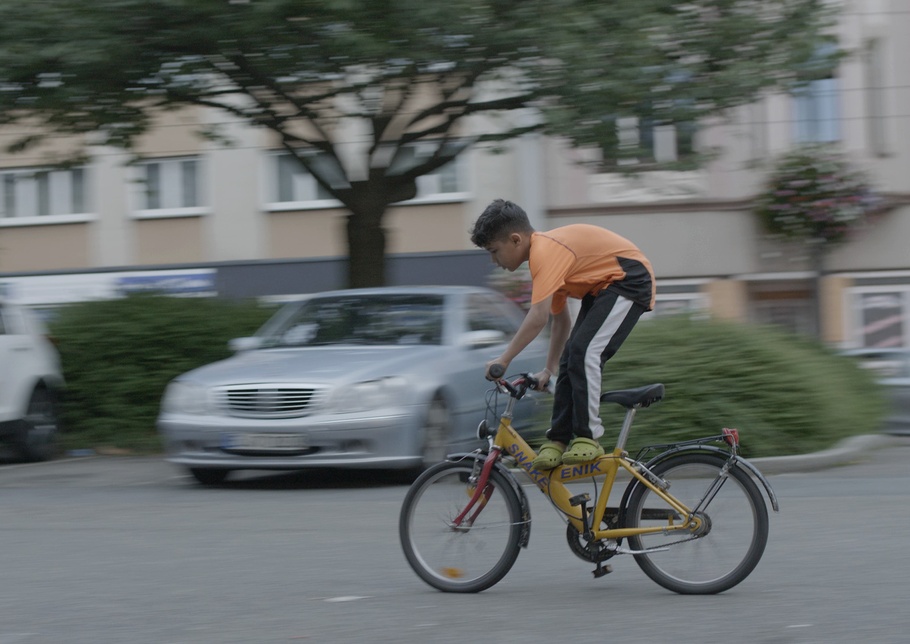
Coversation in the exhibition Zauri Matikashvili. You may not want to be here with Sarah Hübscher and Zauri Matikashvili
, Kunsthalle Münster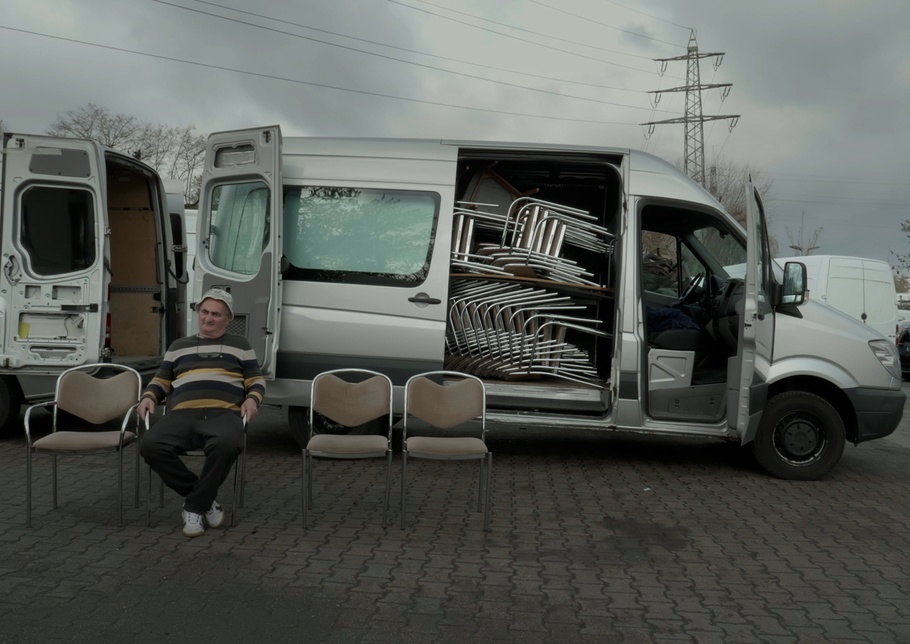
Guided tour through the exhibition Zauri Matikashvili. You may not want to be here with Heiko Lietz
, Kunsthalle Münster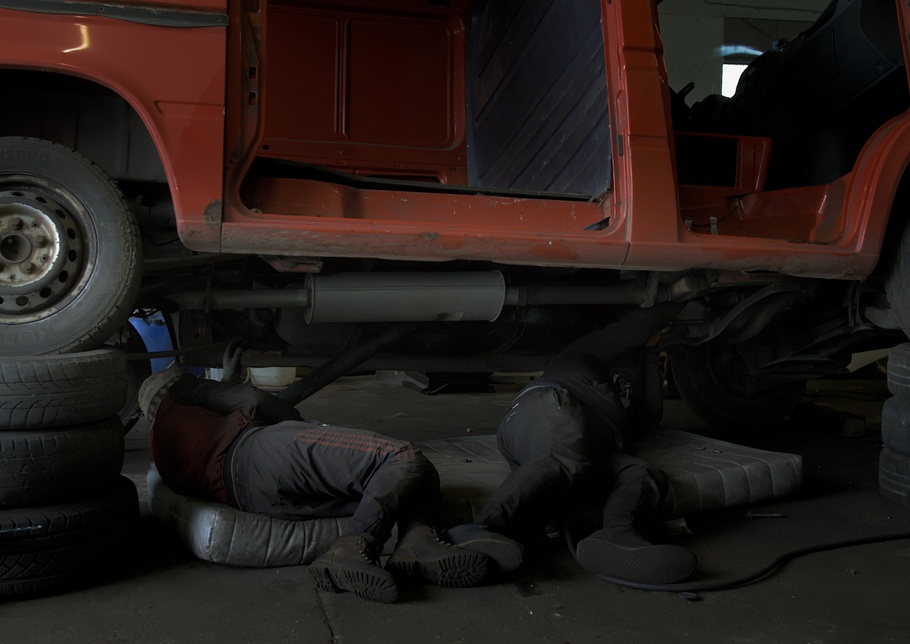
Guided tour through the exhibition Zauri Matikashvili. You may not want to be here with Heiko Lietz
, Kunsthalle Münster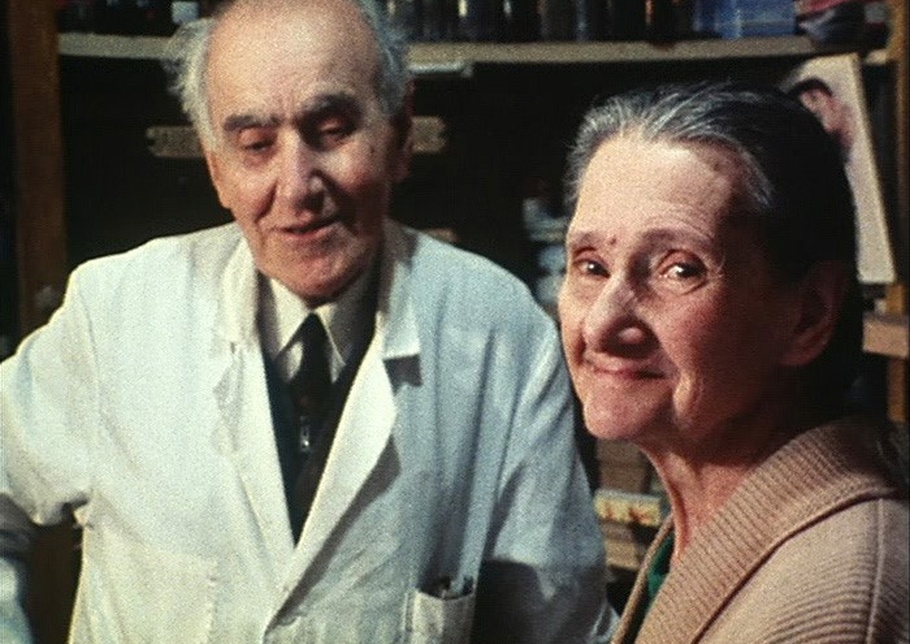
Agnès Varda, Daguerréotypes
, Schloßtheater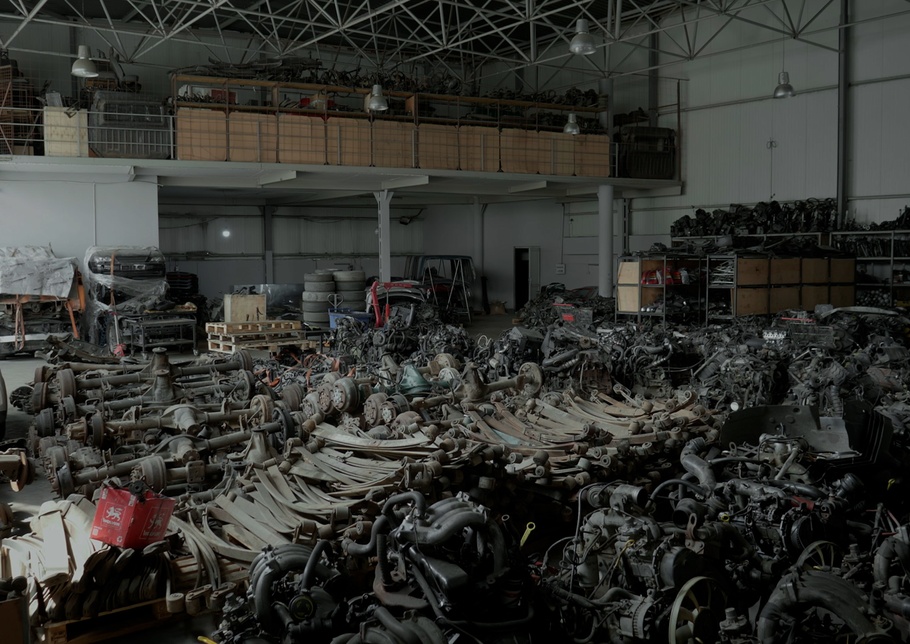
Coversation in the exhibition Zauri Matikashvili. You may not want to be here with Zauri Matikashvili and Silke Schönfeld
, Kunsthalle Münster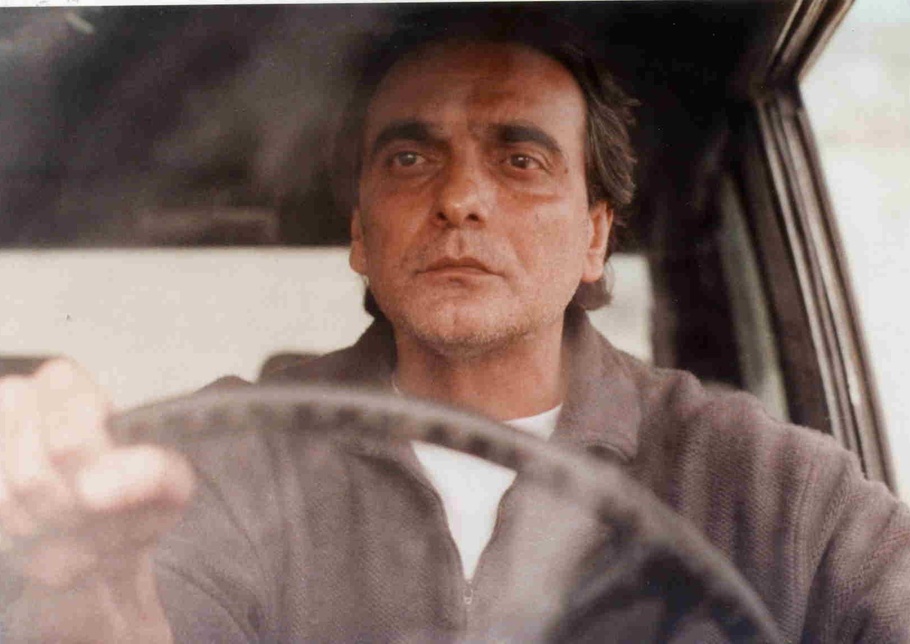
Abbas Kiarostami, Ta'm-e gīlās (Taste of Cherry)
, Schloßtheater